The $500 Giant Killer: Why I Vetted the iFi Zen 3 Stack

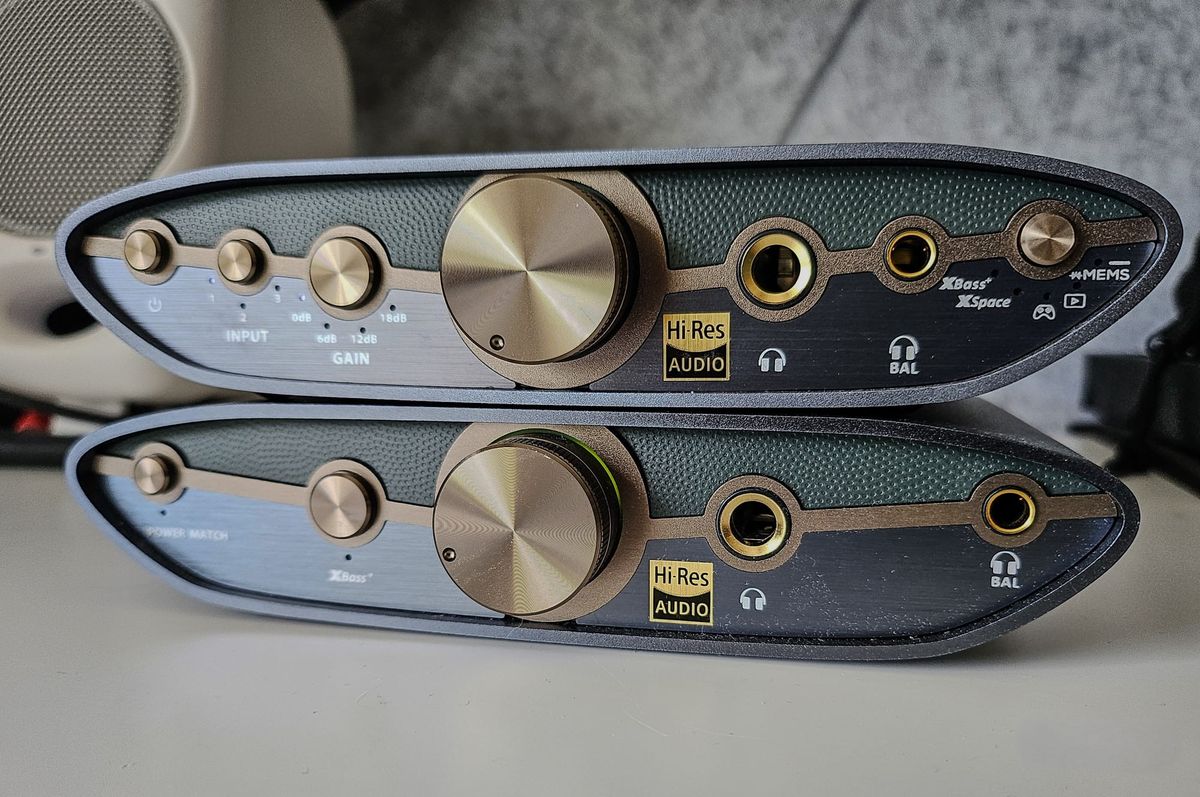
Most audio reviews read like poetry—lots of talk about "sparkle" and "soul." As an electronics technician and Navy veteran, I look at the signal path. If the engineering isn't sound, the "soul" doesn't matter.
I recently put the iFi Zen DAC 3 and Zen CAN 3 on my bench in Spokane to see if they could actually handle a high-performance load. After weeks of testing with the notoriously demanding HIFIMAN HE1000 Stealth, here is the technical breakdown.
WHERE TO BUY:
- Apos Audio:Check Price & Availability(Recommended for Audio)
- Amazon:Check Current Price
The Foundation: SilentPower
Noise is the enemy of high-fidelity audio. Most "wall-wart" power supplies are EMI/RFI factories that bleed into your signal. To kill this at the source, I’m running both units with iFi iPower2 SilentPower supplies.
These use Active Noise Cancellation II—tech actually derived from military radar jamming—to generate a signal identical to the incoming electrical noise but in the opposite phase. This effectively cancels out the noise floor by up to 40dB, leaving a clean, 1uV canvas for the music.
The Signal Path: Pure Analog vs. DSP
The Zen 3 stack is a "no-BS" chain. Unlike many modern competitors that use digital processing (DSP) to "fix" sound, the iFi stack stays in the analog domain.
- The DAC 3: I chose this for the Burr-Brown "Bit-Perfect" architecture. It handles PCM up to 768kHz and DSD512 natively, ensuring the digital-to-analog conversion happens without unnecessary manipulation.
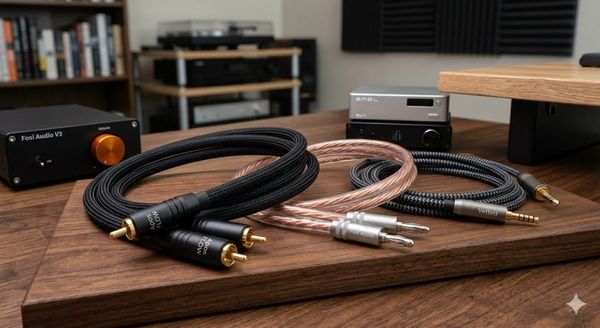
- The Interconnect: I use a 4.4mm balanced cable to bridge the DAC and Amp. This isn't just for a secure connection; it minimizes crosstalk and ensures the balanced signal remains pure from conversion to amplification.
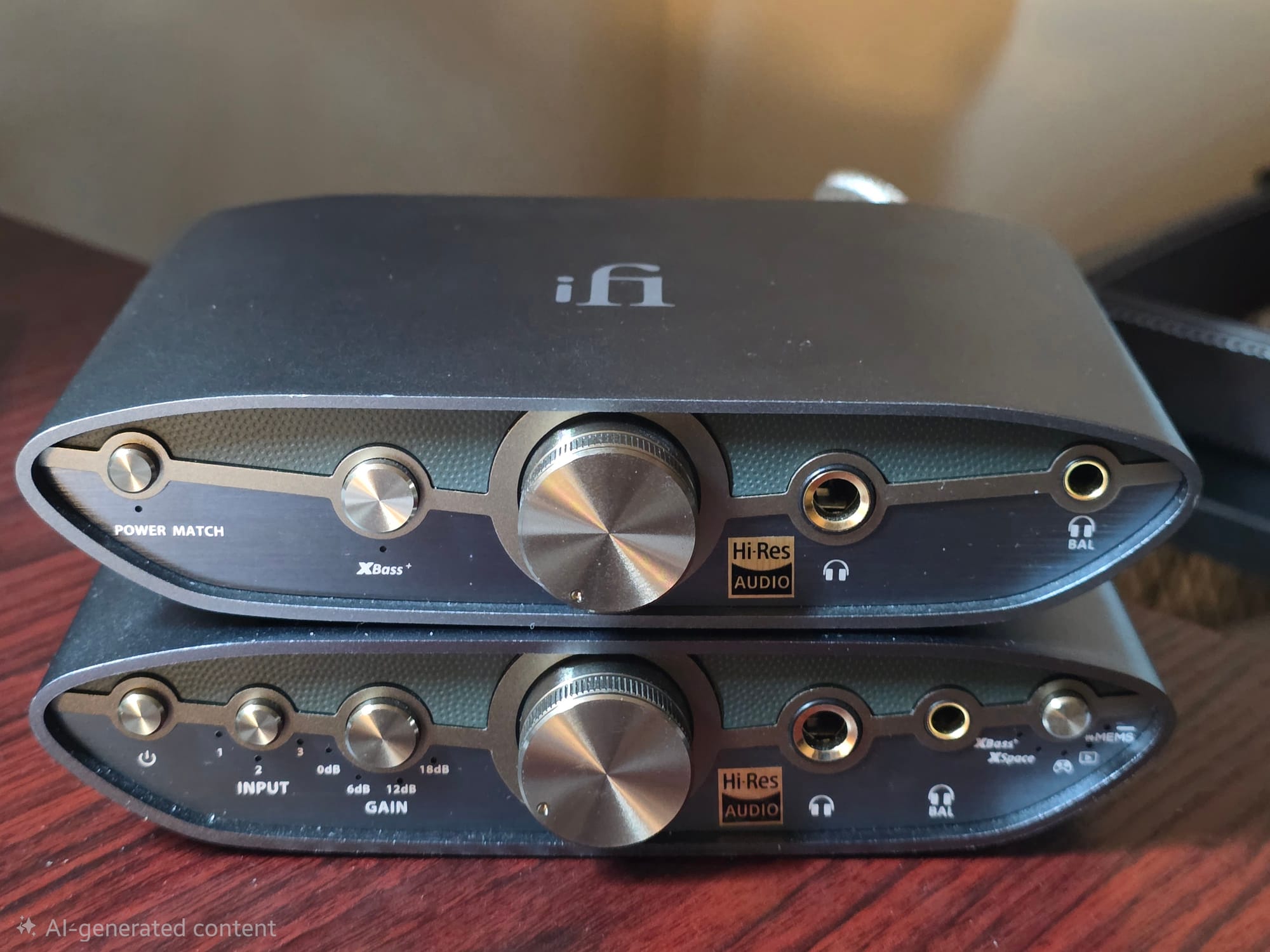
Driving the HE1000 Stealth: The Real-World Test
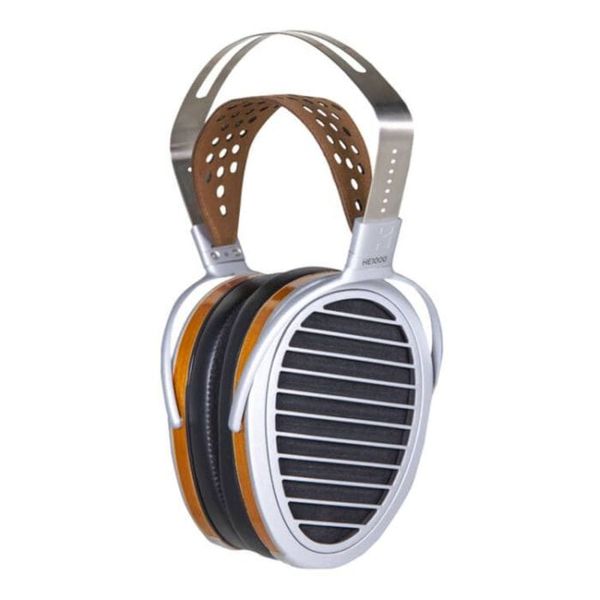
The HIFIMAN HE1000 Stealth is a planar magnetic beast with a sensitivity of 93dB and 32Ω impedance. On paper, it's hungry. In practice, it's a torture test for smaller amps.
The Zen CAN 3 delivers a massive 2,000mW of balanced power. On my bench, I've found the technical "sweet spot" for the HE1000s:
- Gain Setting: Highest (+18dB).
- Volume Knob: 2 o'clock.
At this setting, the Class A discrete circuitry—the same tech found in iFi's flagship flagship Pro iCAN—provides enough headroom to handle dynamic peaks without clipping or losing low-end authority.
Note on Testing: I have been using this stack to drive my HIFIMAN HE1000 Stealth headphones. The results have been impressive, specifically regarding gain-matching and headroom. I am currently finalizing a dedicated, deep-dive review of the HE1000s—stay tuned for that full technical breakdown coming next week.
Technical Verdict
If you want gear with a "luxury" price tag, look elsewhere. But if you want a stack that is over-engineered in the places that actually impact signal integrity—Active Noise Cancellation, Burr-Brown conversion, and Class A amplification—this is the giant killer.
It’s been on my bench, it survived the HE1000 test, and it’s officially Vetted.Most audio reviews read like poetry—lots of talk about "sparkle" and "soul." As an electronics technician and Navy veteran, I look at the signal path. If the engineering isn't sound, the "soul" doesn't matter.
I recently put the iFi Zen DAC 3 and Zen CAN 3 on my bench in Spokane to see if they could actually handle a high-performance load. After weeks of technical evaluation, here is why this stack earned its spot on my desk.
The Foundation: iPower2 SilentPower
Noise is the enemy of high-fidelity audio. Most "wall-wart" power supplies are EMI/RFI factories that bleed into your signal. To kill this at the source, I’m running both units with iFi iPower2 SilentPower supplies.
These use Active Noise Cancellation II—tech actually derived from military radar jamming—to generate a signal identical to the incoming electrical noise but in the opposite phase. This effectively cancels out the noise floor by up to 40dB, leaving a clean, 1uV canvas for the music.
The Signal Path: Pure Analog vs. DSP
The Zen 3 stack is a "no-BS" chain. Unlike many modern competitors that use digital processing (DSP) to "fix" sound, the iFi stack stays in the analog domain.
- The DAC 3 Upgrade: iFi doubled the high-resolution support in this generation. It now handles PCM up to 768kHz and DSD512 natively. I chose this for the Burr-Brown "Bit-Perfect" architecture, which ensures the digital-to-analog conversion happens without unnecessary manipulation.
- True Balanced Circuitry: The "Balanced" label is often thrown around in marketing, but iFi uses a dual-mono signal path that physically reduces crosstalk and interference. I bridge the DAC and Amp with a 4.4mm balanced cable to ensure that signal integrity remains intact from conversion to the headphone jack.
Zen CAN 3: Prodigious Power & xMEMS Support
The Zen CAN 3 is the powerhouse of this stack, delivering up to 2,000mW of continuous output power. This generation adds a critical piece of future-proofing: support for xMEMS solid-state micro-speaker technology.
For my current testing, the versatility is what stands out. With 0-18dB adjustable gain in 6dB steps, I can perfectly match the voltage requirements of anything from sensitive IEMs to power-hungry planars.
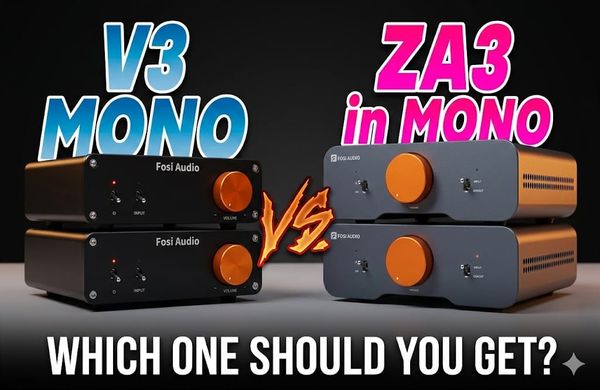
If the Zen 3 stack is outside your current budget, I’ve also benched the Fosi Audio ZA3. While it lacks some of the balanced features of the iFi, its power-to-dollar ratio is exceptional for a desktop setup.
Technical Verdict
If you want gear with a "luxury" price tag and flowery marketing, look elsewhere. But if you want a stack that is over-engineered in the places that actually impact signal integrity—Active Noise Cancellation, Burr-Brown conversion, and Class A discrete circuitry— then this iFi Zen DAC 3 and Zen CAN 3 stack is the giant killer.
It’s been on my bench, it’s been through the tech ringer, and it’s officially Vetted.